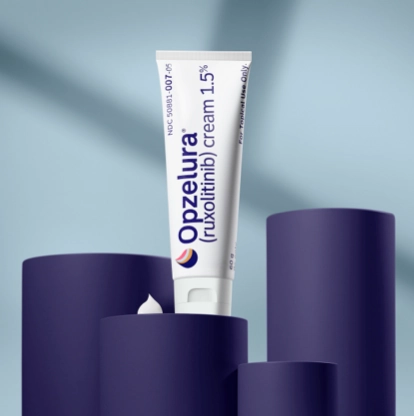
OPZELURA is a prescription medicine used on the skin (topical) for the treatment of the type of vitiligo called nonsegmental vitiligo in adults and children 12 years of age and older. The use of OPZELURA along with therapeutic biologics, other JAK inhibitors, or strong immunosuppressants such as azathioprine or cyclosporine is not recommended.

PROVEN TO HELP RESTORE SOME OF YOUR PIGMENT

Through a series of periods spanning 6 months, 1 year, and 2 years, OPZELURA was proven to help restore the skin's color on your face over time. Individual results may vary.

Clinical Study Timelines

6 months
Two six-month studies included 674 participants aged 12 and older. 450 patients used OPZELURA, while the remaining 224 used a non-medicated cream.
1 year
After the first 6 months, all participants—including those who had previously used the non-medicated cream—could use OPZELURA for the next 6 months. This was a less robust part of the study that 580 of the original 674 participants entered.
2 years
After the study's first year, 342 participants who hadn't reached near complete (>90%) improvement to vitiligo areas on the face could keep using OPZELURA for yet another year. This was an even less robust study, focused on those whose skin had shown a lower tendency to repigment.

The descriptors used below are drawn directly from the study itself. They do not reflect the diverse range of terms individuals may use to identify their gender, race, or skin tone. This data represents those who participated at the start of the trials, and may not reflect the sample that remained at 1 or 2 years.

Gender

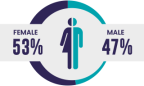
53% of participants were female and 47% were male.

Percentage of body area affected by vitiligo

At baseline, subjects on average had vitiligo affecting 1% of their facial area and 7.4% of their total body.

Race

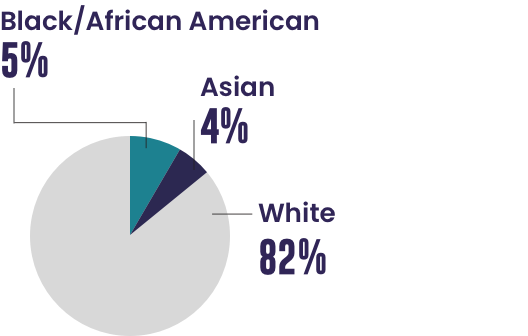
5% of participants were Black/African American, 4% were Asian, and 82% were White.

Skin tone

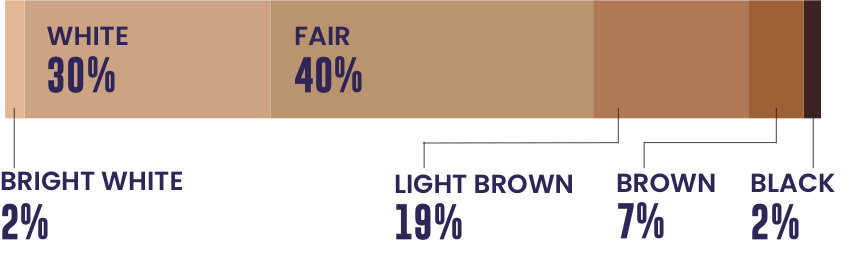
Participants represented a range of tones across the Fitzpatrick scale of skin types.

Time since diagnosis

An average of 15 years had passed since diagnosis of nonsegmental vitiligo.

 
AT 6 MONTHS
 
About
one third
OF participants saw
75% improvement
iN A SCORE THAT MEASURED
Vitiligo
areas on the Face

75% improvement to vitiligo areas on the face was achieved at 6 months in 29.9% of patients using OPZELURA in 2 separate studies compared with 7.5% and 12.9% of patients not using OPZELURA.

AT 1 YEAR
 
About
half
OF participants saw
75% improvement
IN A SCORE THAT MEASURED
Vitiligo
areas on the Face

75% improvement to vitiligo areas on the face was achieved at 1 year in 51% of patients out of 356 who continued using OPZELURA in a less-robust extension study.

AT 2 YEARS
Among patients who had not yet reached near complete repigmentation to the face
 
TWO THIRDS
OF participants saw
75% improvement 
IN A SCORE THAT 
MEASURED
Vitiligo areas on the face

75% improvement to vitiligo areas on the face was achieved at 2 years in 66.1% of patients out of 177 who had not reached complete or almost complete facial repigmentation after using OPZELURA for 1 year and who continued to use OPZELURA for an additional year in an even less-robust extension study.

MORE FINDINGS FROM CLINICAL STUDIES:

MORE FINDINGS FROM CLINICAL STUDIES:

About half of participants saw 50% improvement in a score that measured vitiligo areas on the face after 6 months.

Specifically, across two 6-month studies, a similar proportion (51.5% and 51.4%) of those using OPZELURA achieved a 50% improvement to vitiligo areas on the face compared with 17.2% and 23.4%, respectively, of those not using OPZELURA.

About one in six participants saw
90%
improvement
IN A SCORE
THAT MEASURED
VITILIGO
Areas
on the
Face

Specifically, across two 6-month studies, a similar proportion (15.5% and 15.4%) of those using OPZELURA achieved a 90% improvement to vitiligo areas on the face compared with 2.2% and 1.9%, respectively, of those not using OPZELURA.

Some participants saw 50% improvement in a score that measured vitiligo areas in the total body (including the face).

Across two 6-month studies, a similar proportion (20.6% and 26.1%) of those using OPZELURA achieved a 50% improvement to vitiligo areas in the total body (including the face) compared with 4.9% and 11.3% of those not using OPZELURA.

REPIGMENTATION TAKES TIME

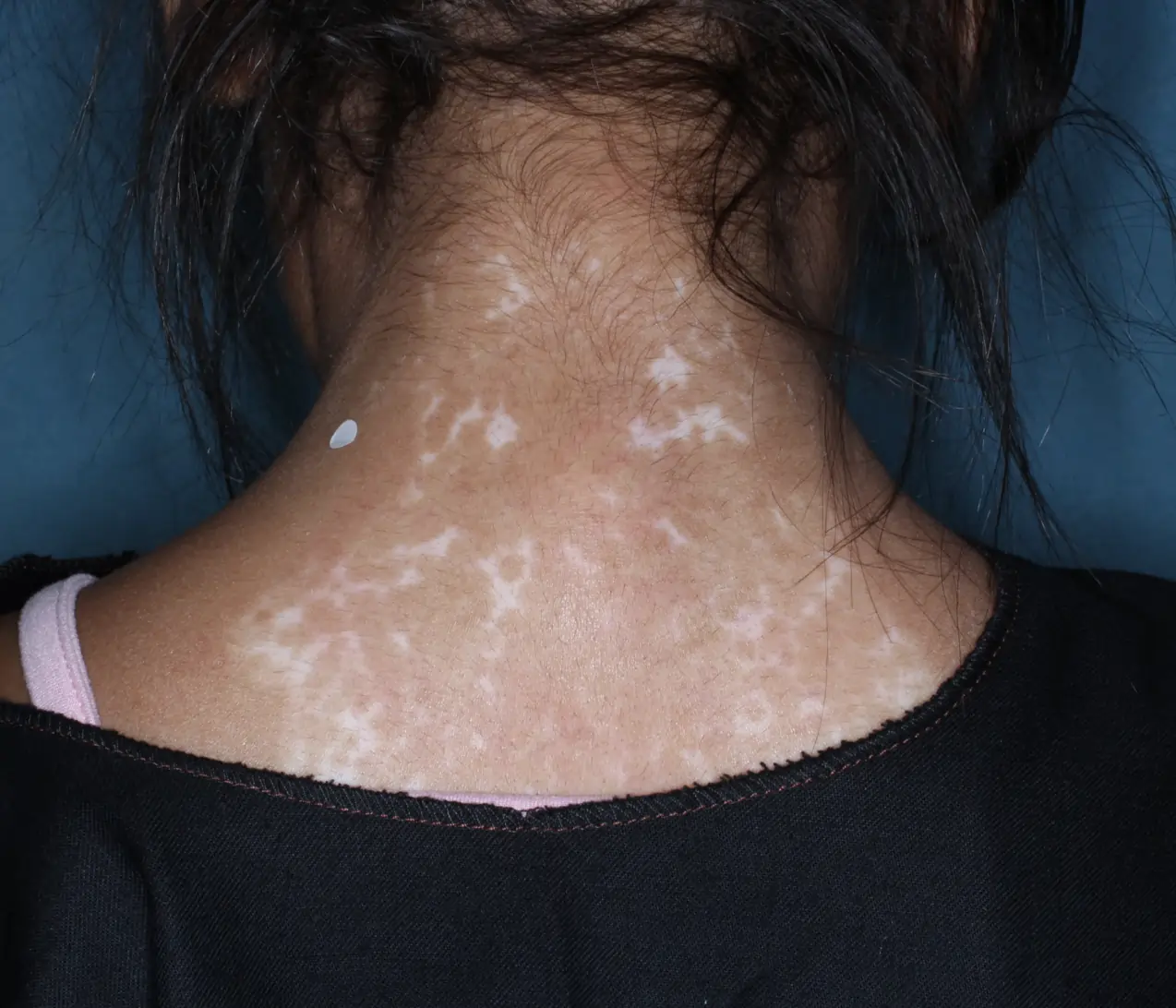
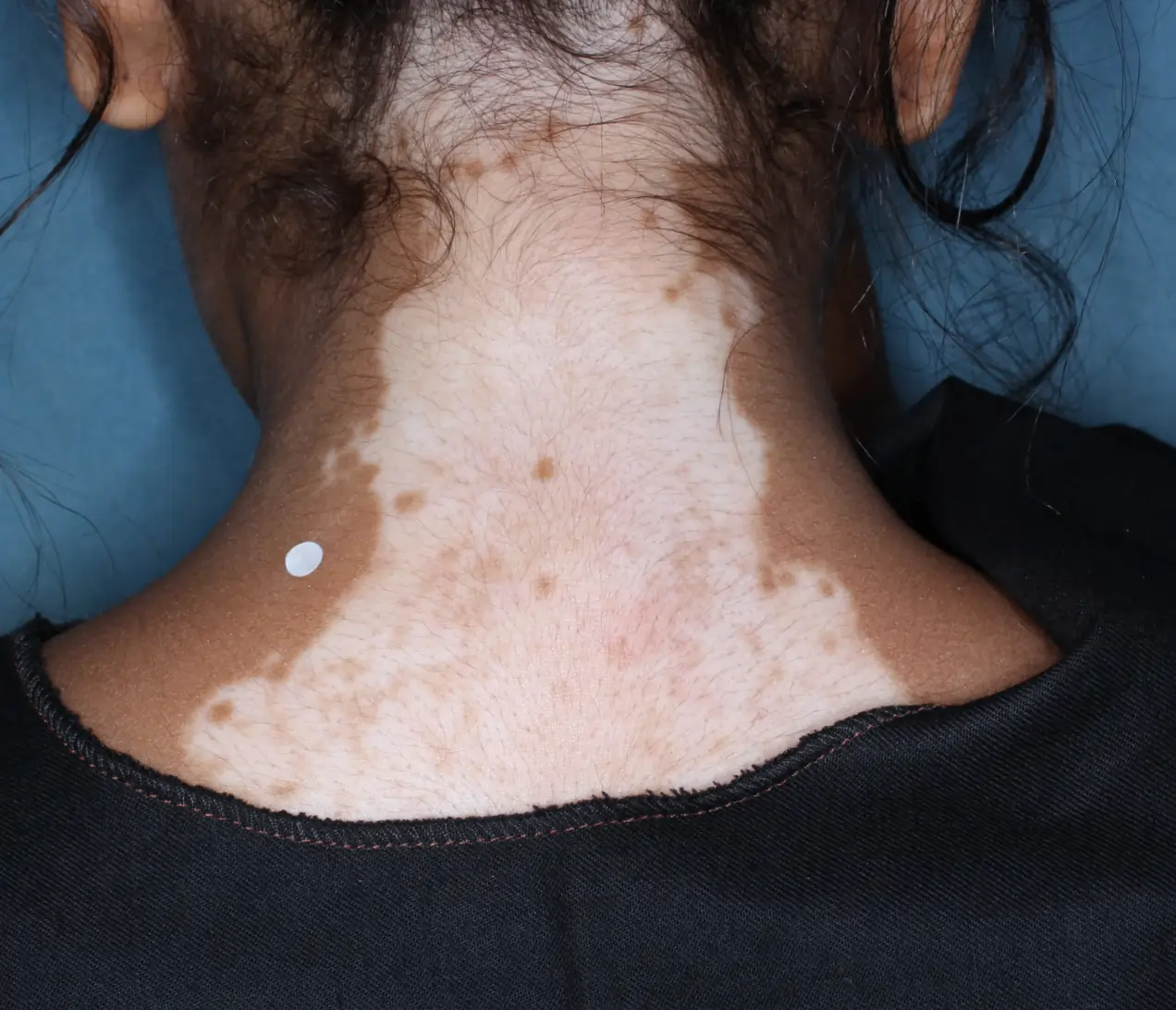
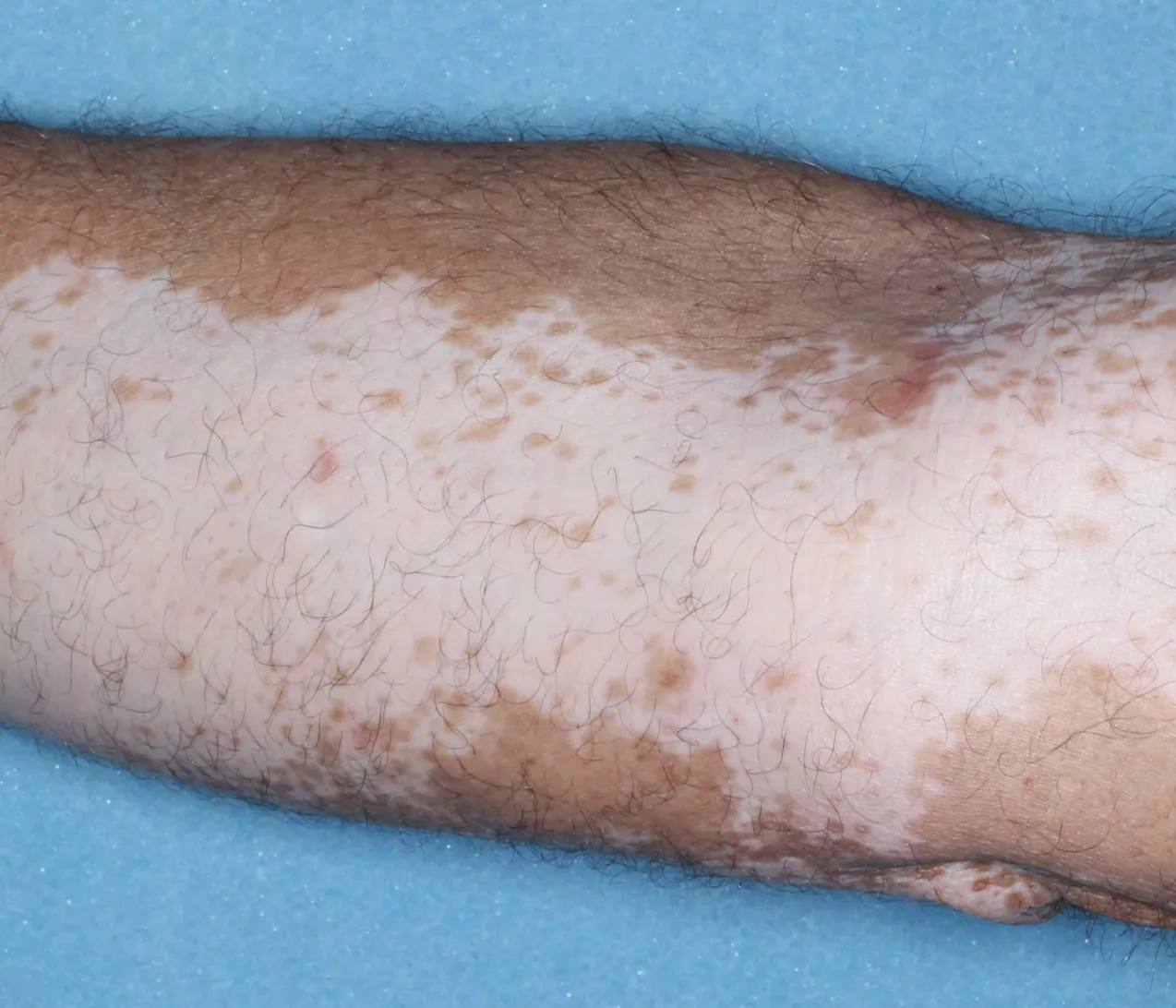
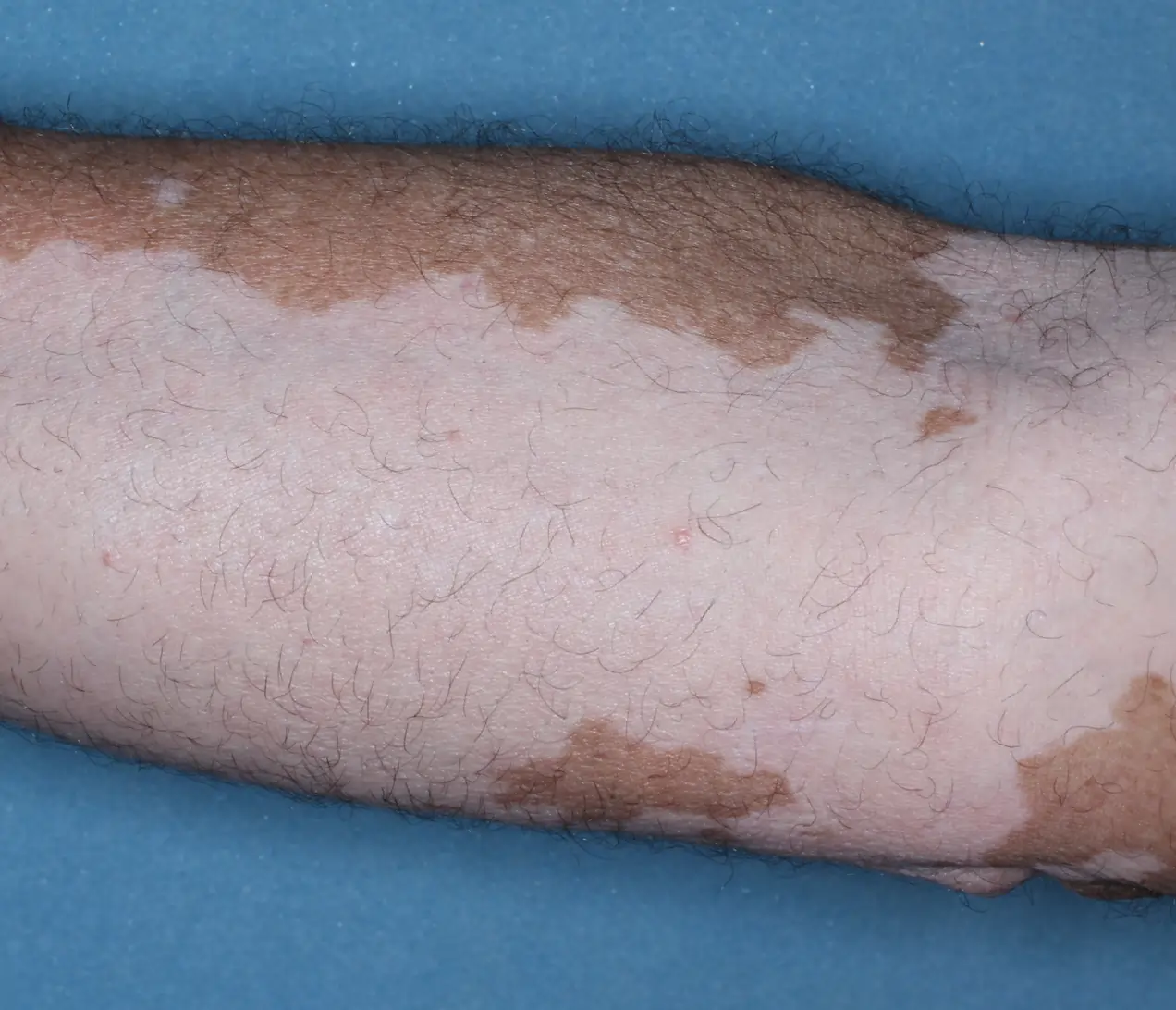
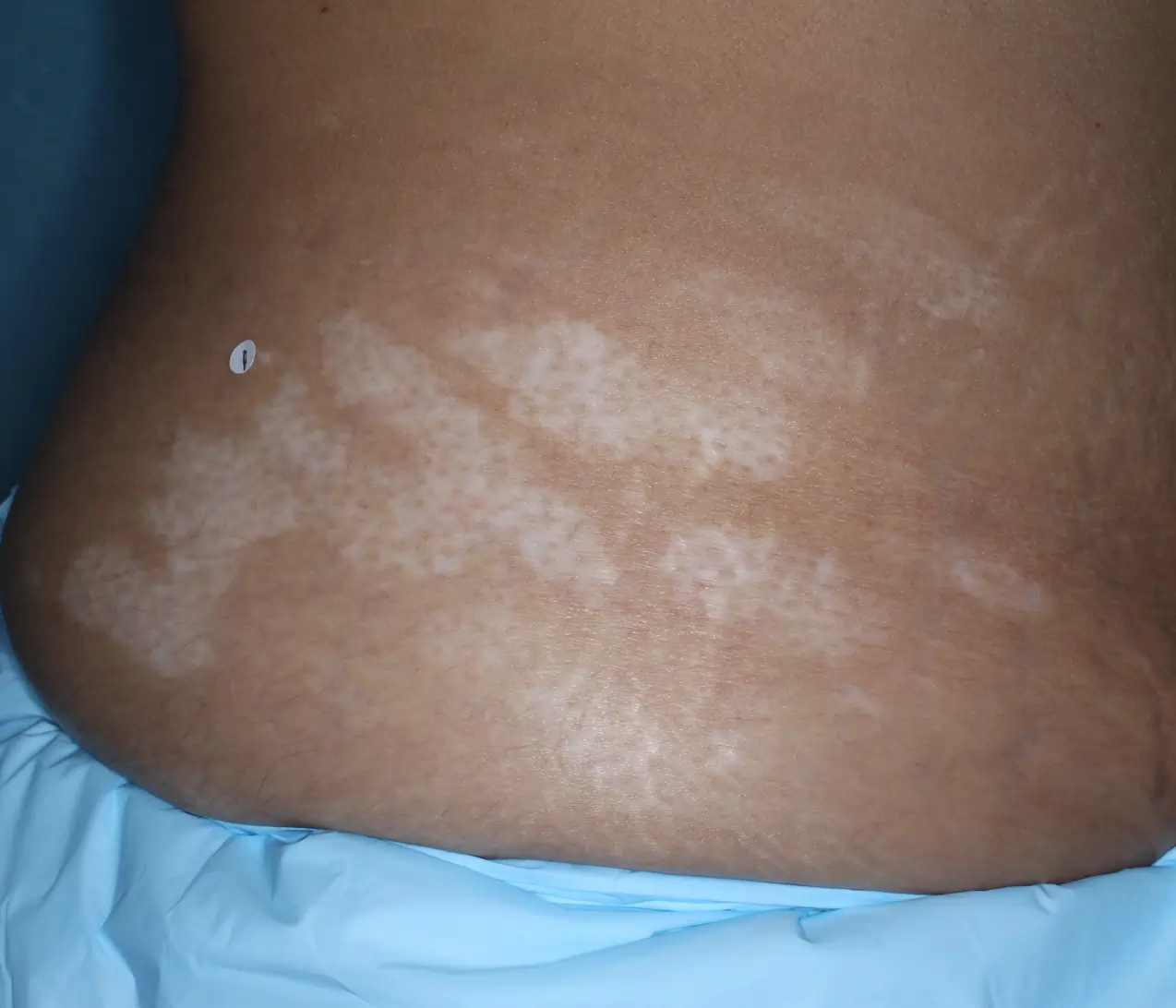
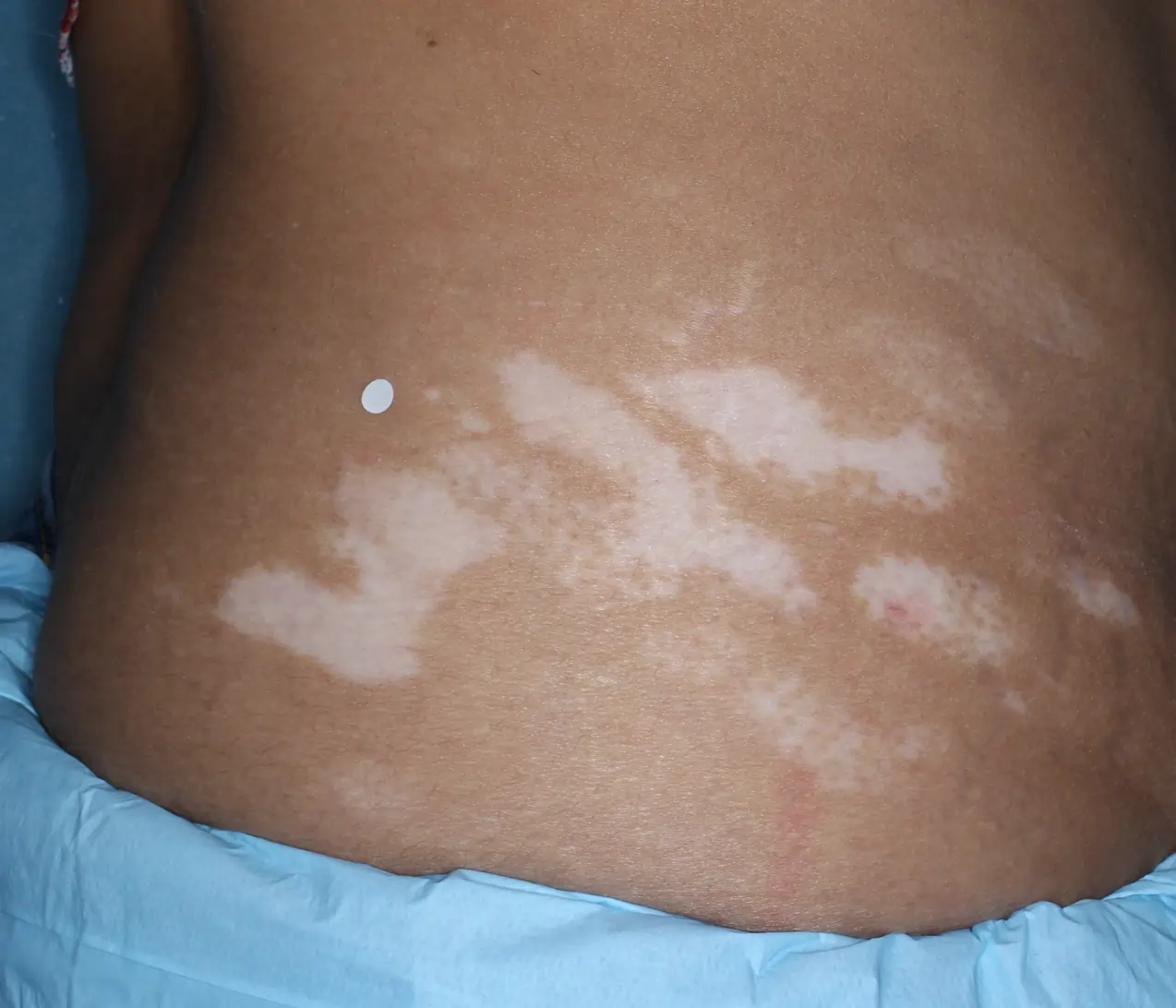
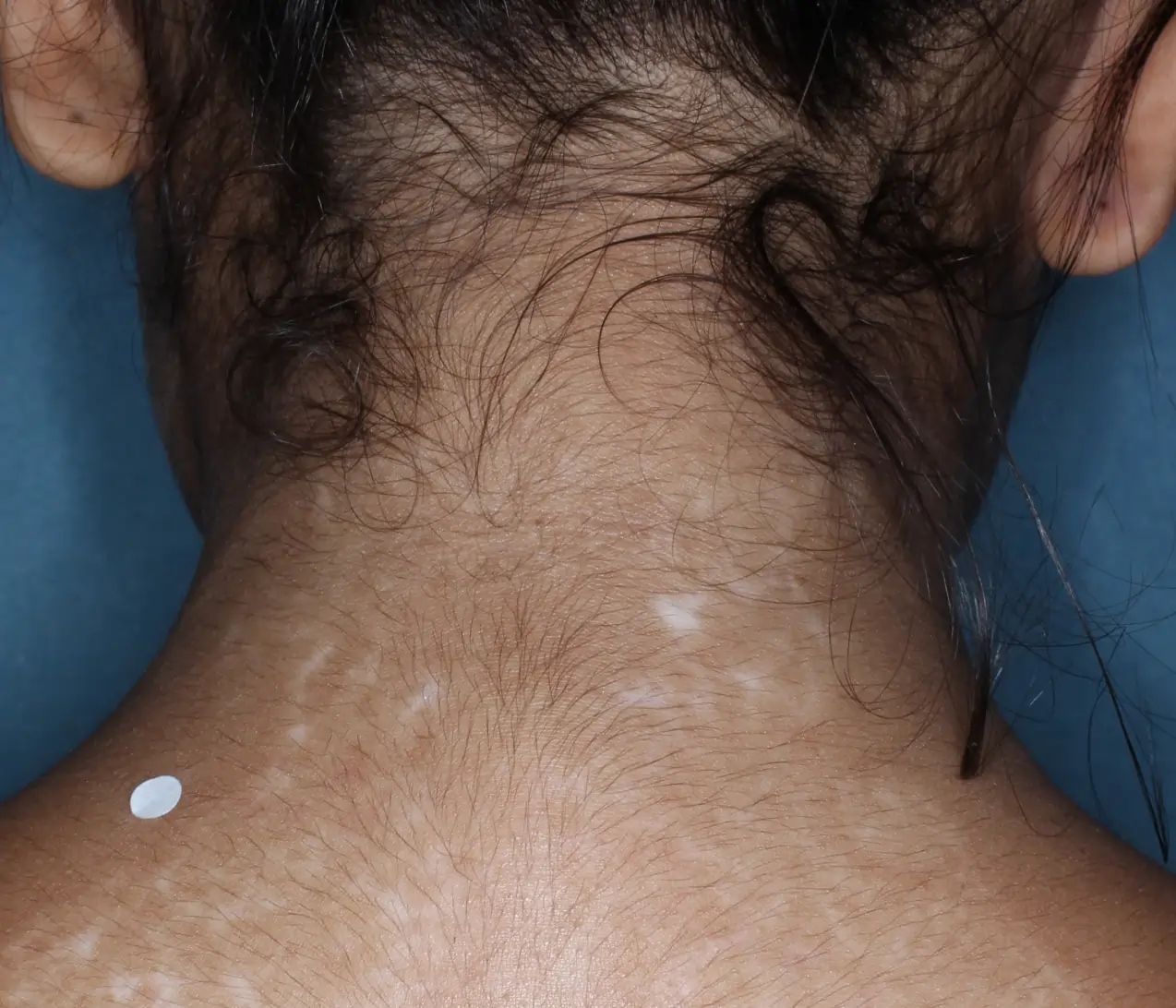
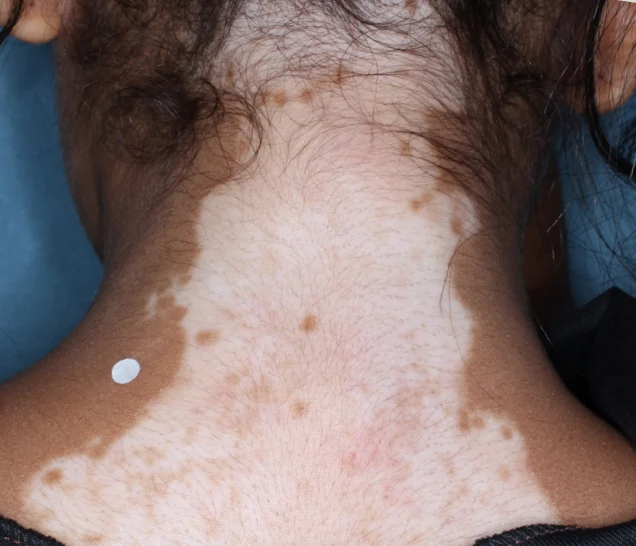
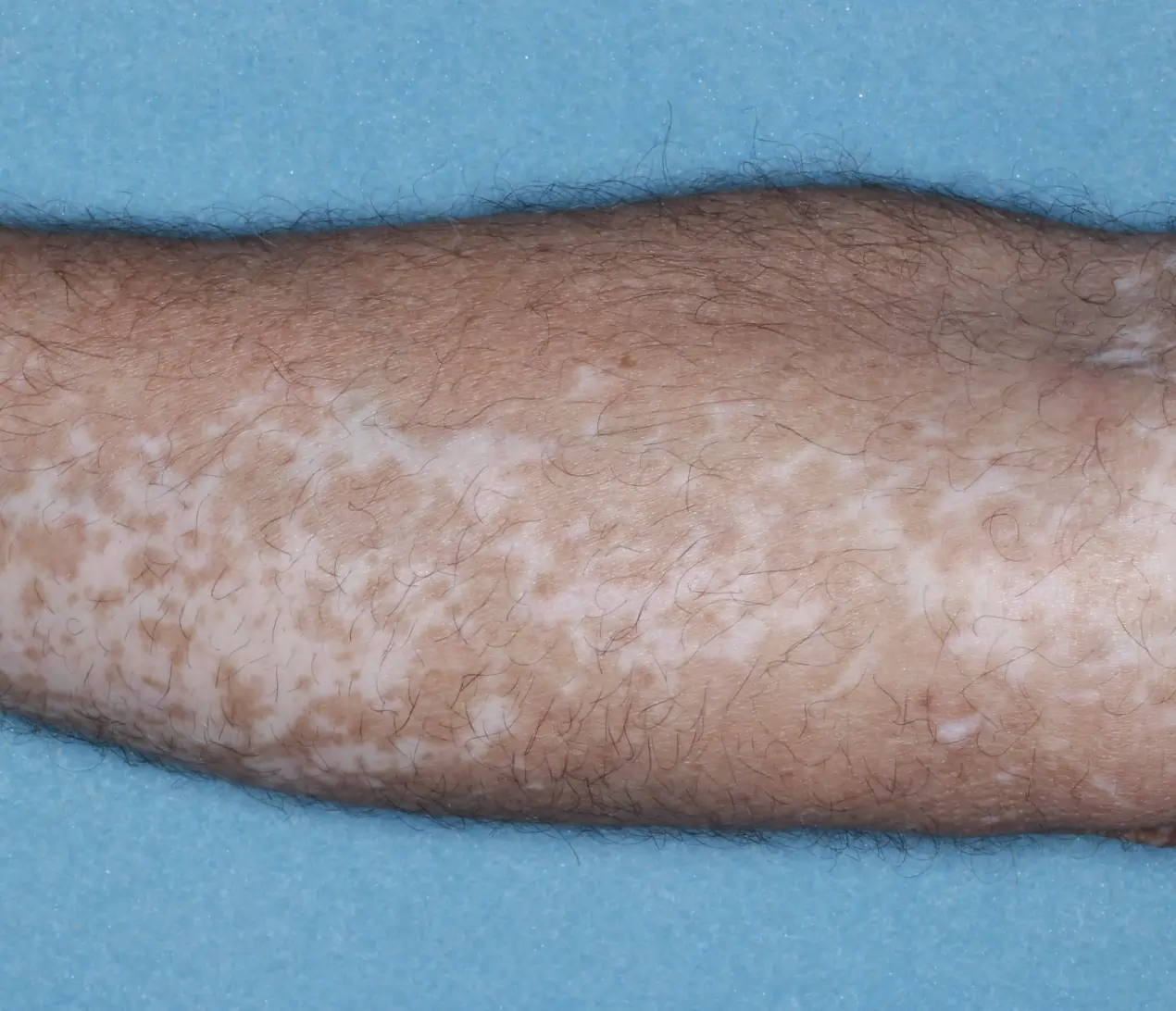
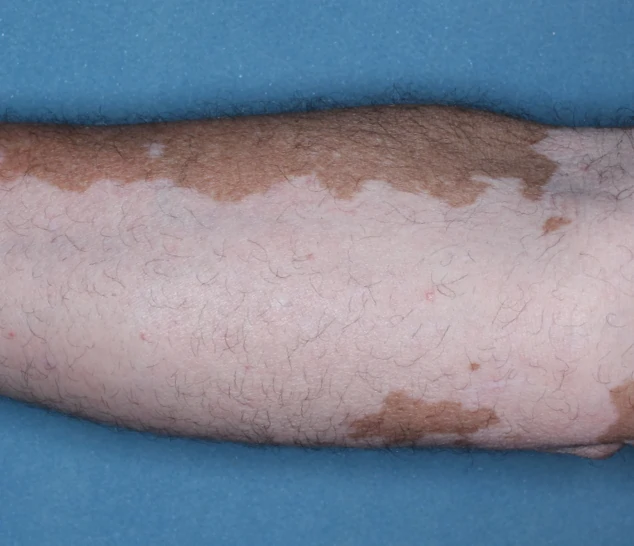
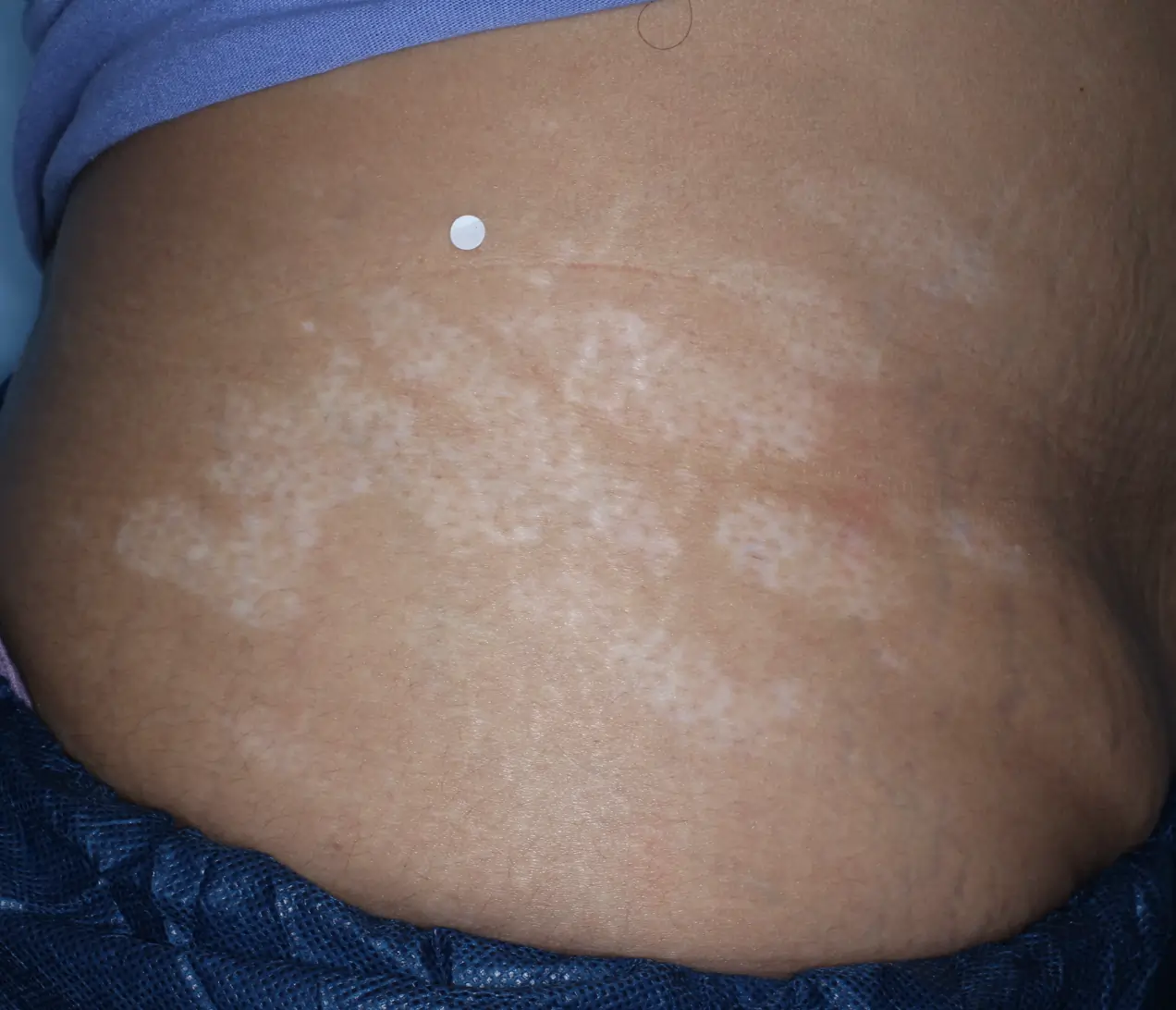
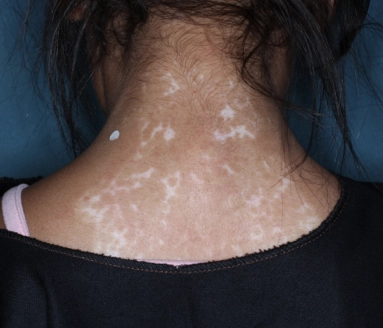
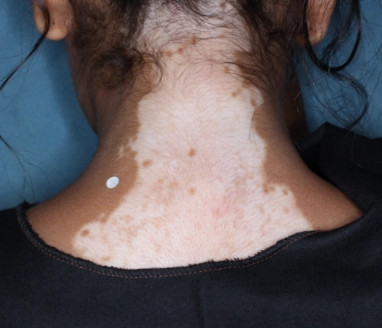
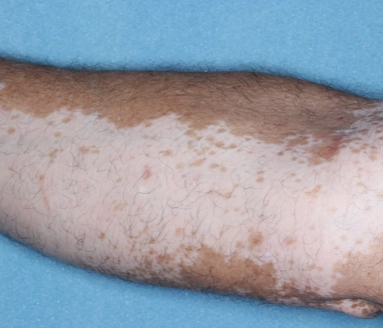
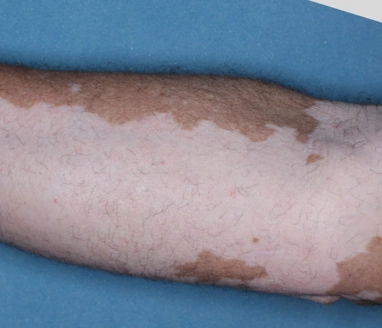
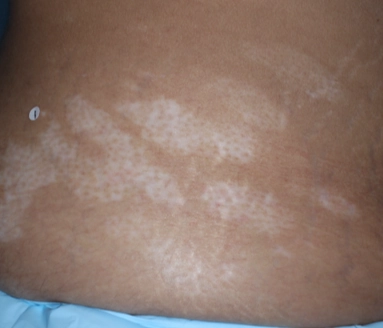
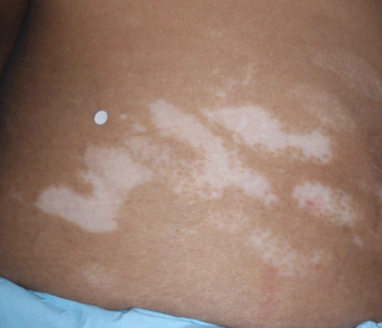
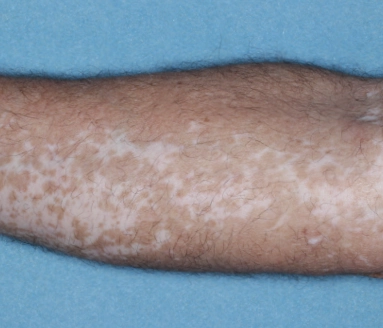
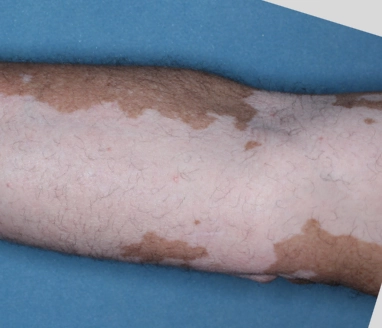
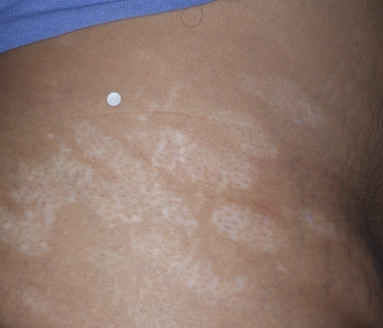
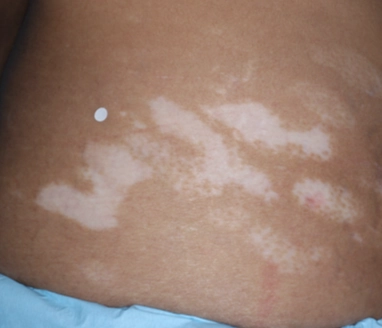
The following photos show actual clinical trial participants before using OPZELURA, after 6 months and 1 year of treatment with OPZELURA. Areas of the body with a lower concentration of hair follicles may repigment more slowly than others. Areas where the hair follicles are sparse, absent or have turned white may not repigment.

CLINICAL TRIAL PATIENTS

Back of patient's neck showing repigmentation progress after 6 months of treatment with OPZELURA.

Neck

Back of patient's neck before treatment with OPZELURA.
Patient's arm showing repigmentation progress after 6 months of treatment with OPZELURA.

ARM

Patient's arm before treatment with OPZELURA.
Patient's abdomen showing repigmentation progress after 6 months of treatment with OPZELURA.

abdomen

Patient's abdomen before treatment with OPZELURA.
Back of patient's neck showing repigmentation progress after 1 year of treatment with OPZELURA.

neck

Back of patient's neck before treatment with OPZELURA.
Patient's arm showing repigmentation progress after 1 year of treatment with OPZELURA.

arm

Patient's arm before treatment with OPZELURA.
Patient's abdomen showing repigmentation progress after 1 year of treatment with OPZELURA.

abdomen

Patient's abdomen before treatment with OPZELURA.

Actual clinical trial patients. Results may vary. Results not typical.

Neck

ARM

abdomen

Back of patient's neck showing repigmentation progress after 1 year of treatment with OPZELURA.

neck

Back of patient's neck before treatment with OPZELURA.

arm

abdomen

Actual clinical trial patients. Results may vary. Results not typical.

SEE SAM'S RESULTS WITH OPZELURA 


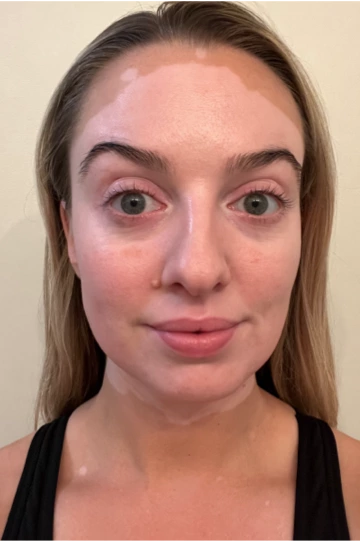
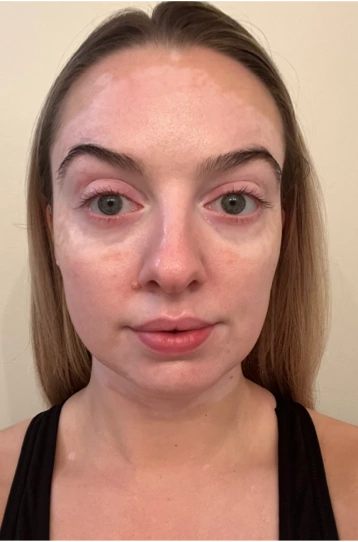
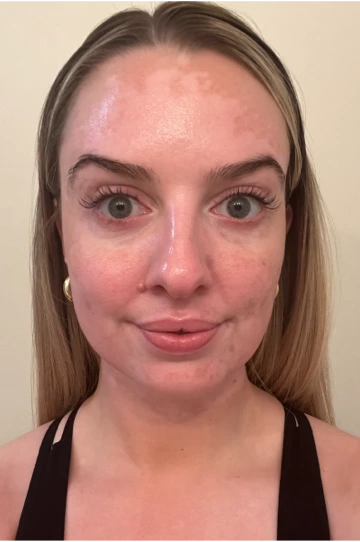
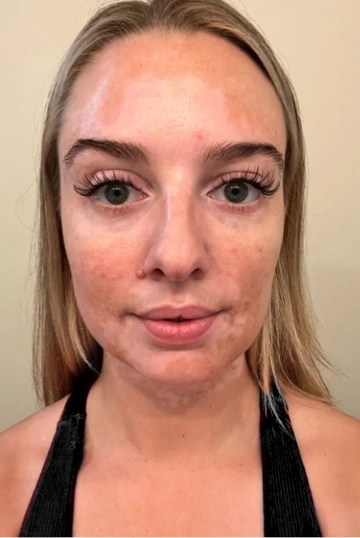
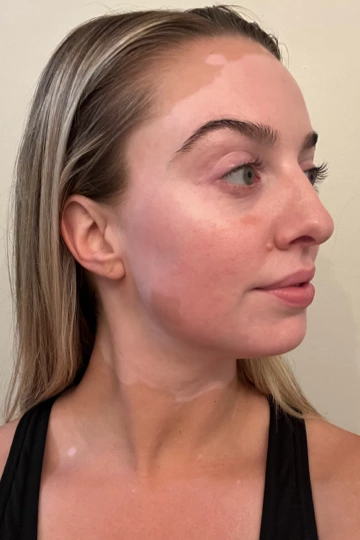
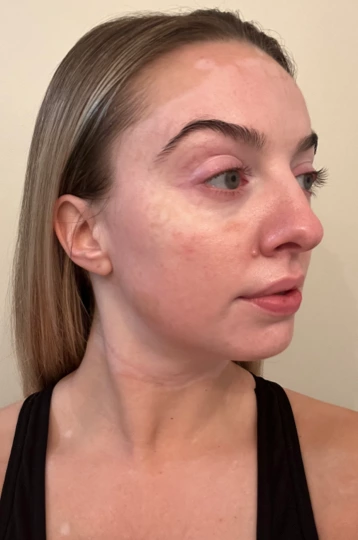
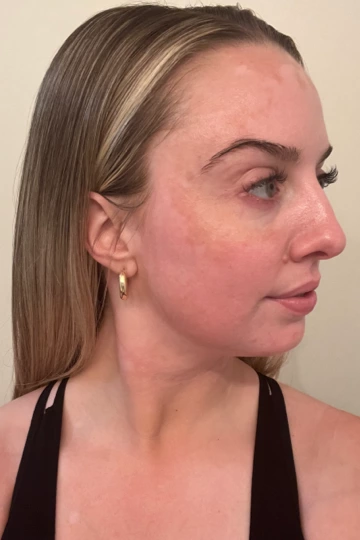
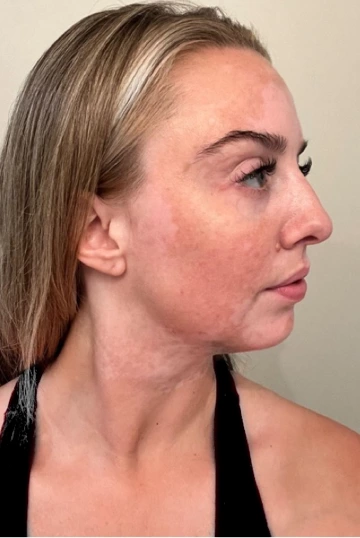
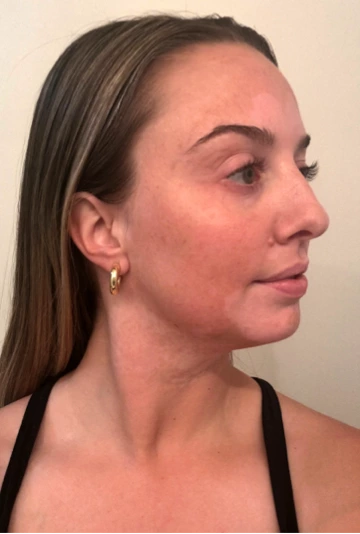
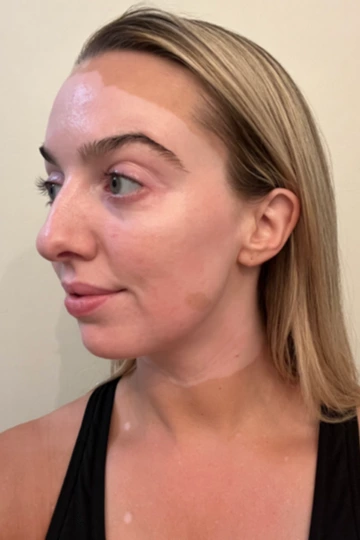
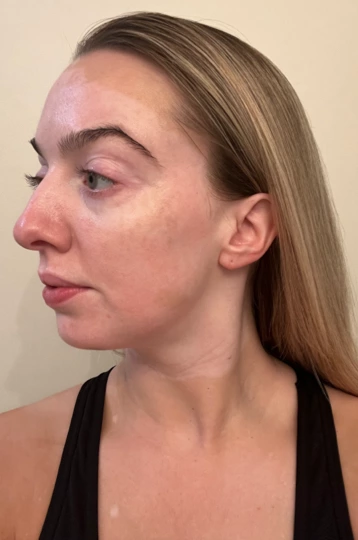
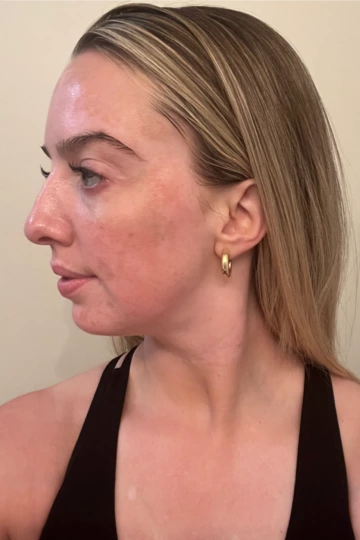
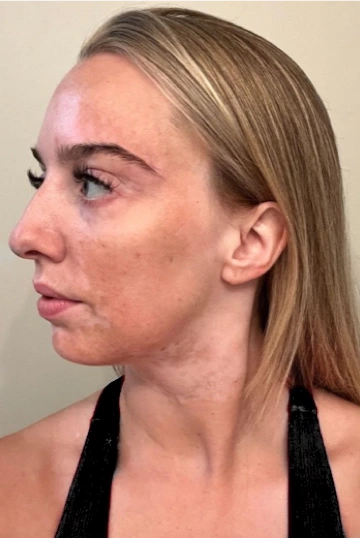
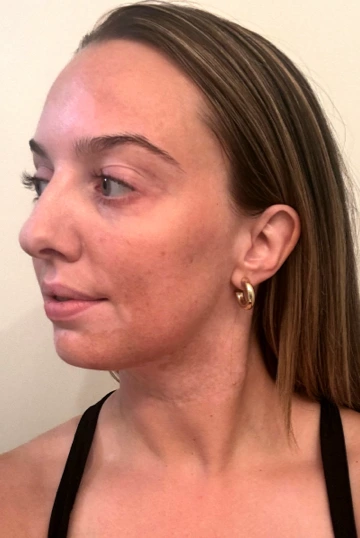
Sam, an actual patient, shared these photos to show the results she’s seen with OPZELURA. These photos show Sam (not a clinical trial participant) before treatment with OPZELURA, and at about 2 months, 8 months, 12 months, and 2 years of treatment.

Select a view to see Sam's results

Front View

A young woman's face with vitiligo, showing depigmentation before treatment with OPZELURA.

Before Treatment 
with OPZELURA

A young woman's face with vitiligo, showing repigmentation progress at 2 months of treatment with OPZELURA.

AT ~2 Months of 
Treatment with OPZELURA

A young woman's face with vitiligo, showing more repigmentation progress at 8 months of treatment with OPZELURA.

AT ~8 Months of 
Treatment with OPZELURA

A young woman's face with vitiligo, showing more repigmentation progress at 12 months of treatment with OPZELURA.

AT ~12 Months of 
Treatment with OPZELURA

A young woman's face with vitiligo, showing more repigmentation progress at 2 years of treatment with OPZELURA.

AT ~2 YEARS of 
Treatment with OPZELURA

Right View

A young woman's face with vitiligo, showing depigmentation before treatment with OPZELURA.

Before Treatment 
with OPZELURA

A young woman's face with vitiligo, showing repigmentation progress at 2 months of treatment with OPZELURA.

AT ~2 Months of 
Treatment with OPZELURA

A young woman's face with vitiligo, showing more repigmentation progress at 8 months of treatment with OPZELURA.

AT ~8 Months of 
Treatment with OPZELURA

A young woman's face with vitiligo, showing more repigmentation progress at 12 months of treatment with OPZELURA.

AT ~12 Months of 
Treatment with OPZELURA

A young woman's face with vitiligo, showing more repigmentation progress at 2 years of treatment with OPZELURA.

AT ~2 YEARS of 
Treatment with OPZELURA

left View

A young woman's face with vitiligo, showing depigmentation before treatment with OPZELURA.

Before Treatment 
with OPZELURA

A young woman's face with vitiligo, showing repigmentation progress at 2 months of treatment with OPZELURA.

AT ~2 Months of 
Treatment with OPZELURA

A young woman's face with vitiligo, showing more repigmentation progress at 8 months of treatment with OPZELURA.

AT ~8 Months of 
Treatment with OPZELURA

A young woman's face with vitiligo, showing more repigmentation progress at 12 months of treatment with OPZELURA.

AT ~12 Months of 
Treatment with OPZELURA

A young woman's face with vitiligo, showing more repigmentation progress at 2 years of treatment with OPZELURA.

AT ~2 YEARS of 
Treatment with OPZELURA

Sam used OPZELURA alone for treatment of nonsegmental vitiligo on her face and neck.

Results may vary. Results not typical.

SEE MORE REAL WORLD PATIENT PHOTOS

SEE MORE REAL WORLD PATIENT PHOTOS

MEET NEYDA

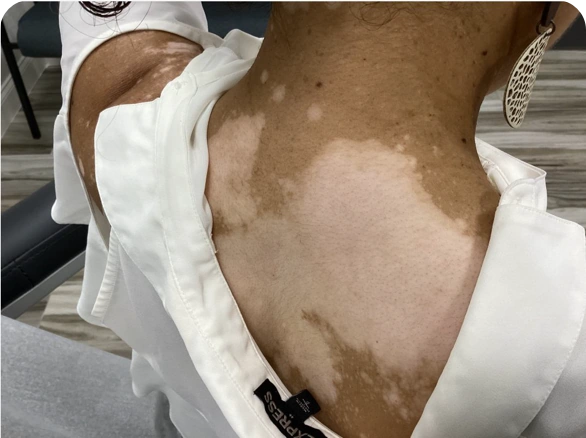
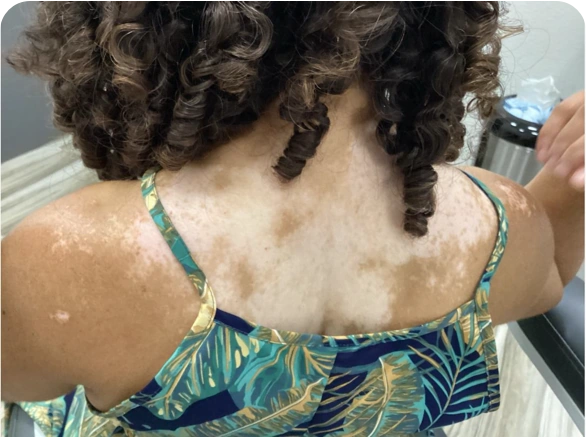
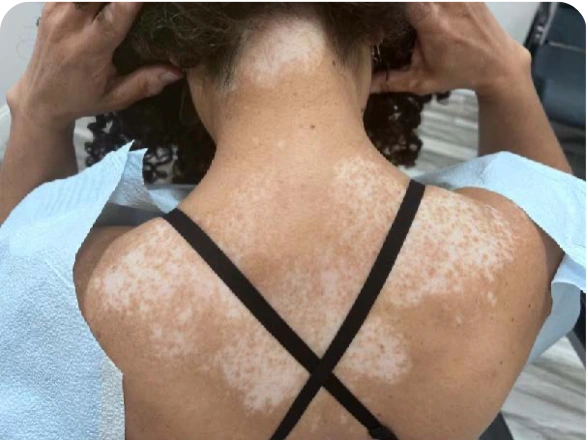
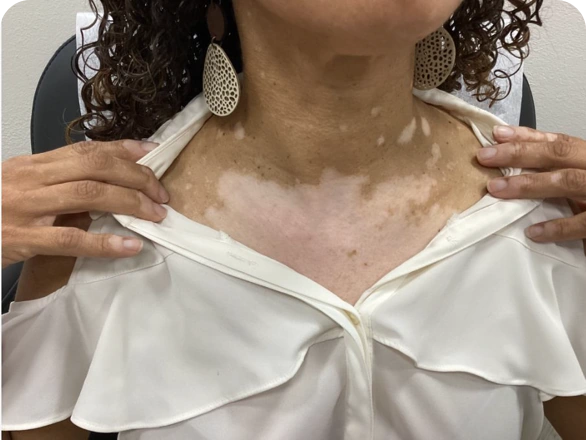
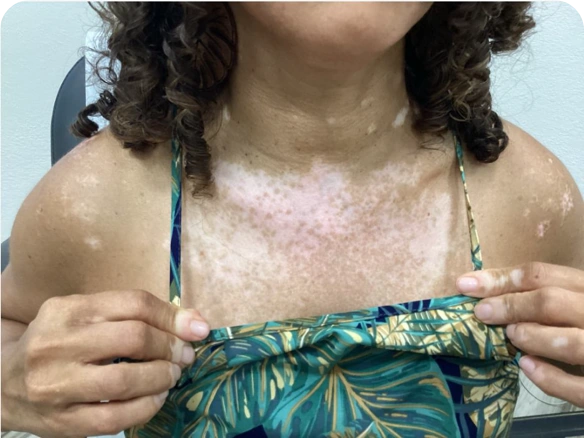
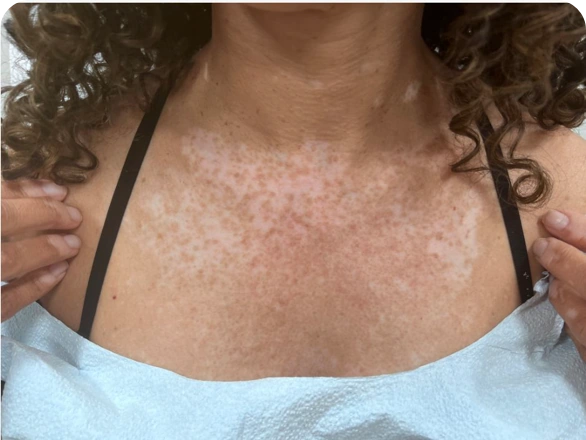
Neyda, a 48-year-old OPZELURA patient, has been living with nonsegmental vitiligo for 44 years. These photos show Neyda (not a clinical trial participant) before treatment with OPZELURA, and at about 3 months and 9 months of treatment.

BACK VIEW

Patient's back before treatment with OPZELURA, at baseline.
BASELINE PHOTO
Patient's back after 3 months of treatment with OPZELURA.
AT 3 MONTHS OF TREATMENT WITH OPZELURA
Patient's back after 9 months of treatment with OPZELURA.
AT 9 MONTHS OF TREATMENT WITH OPZELURA

CHEST VIEW

Patient's chest before treatment with OPZELURA, at baseline.
BASELINE PHOTO
Patient's chest after 3 months of treatment with OPZELURA.
AT 3 MONTHS OF TREATMENT WITH OPZELURA
Patient's chest after 9 months of treatment with OPZELURA.
AT 9 MONTHS OF TREATMENT WITH OPZELURA

Neyda used OPZELURA alone for treatment of nonsegmental vitiligo on her back, chest, and shoulders. 
Results may vary. Results not typical. 
Neyda was compensated for her time.

MEET MALAKI

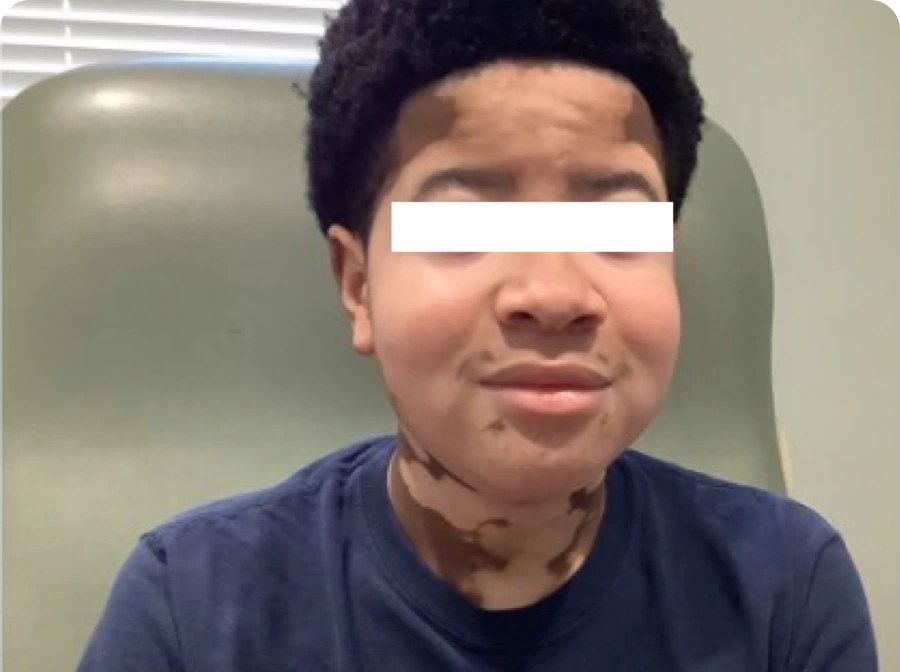
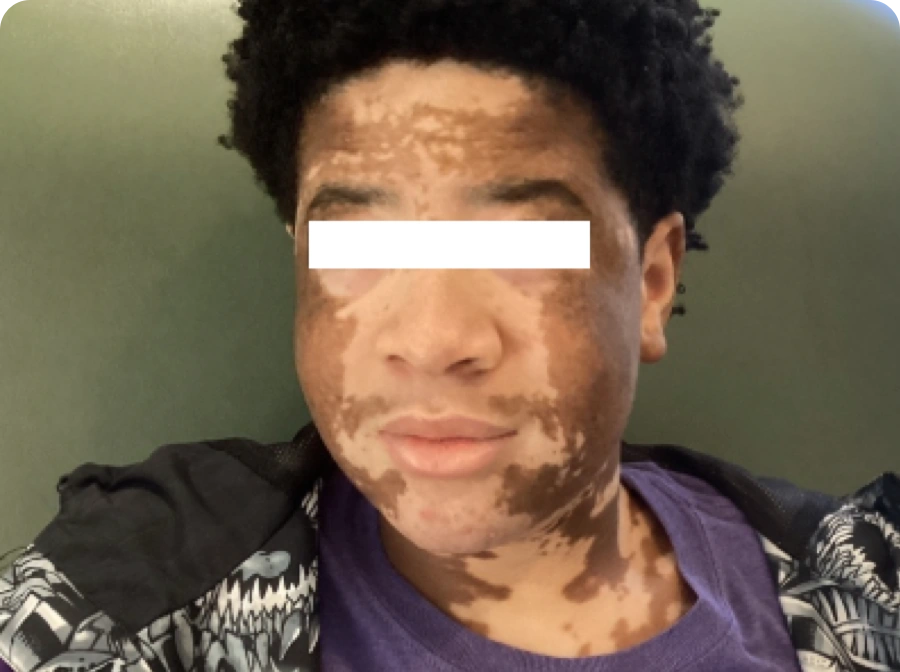
Malaki, a 13-year-old OPZELURA patient, has been diagnosed with nonsegmental vitiligo when he was 12 years old. These photos show Malaki (not a clinical trial participant) before treatment with OPZELURA and at about 5 months of treatment.

FACE

Patient's face before treatment with OPZELURA, at baseline.
BASELINE PHOTO
Patient's face after 5 months of treatment with OPZELURA.
AT 5 MONTHS OF TREATMENT WITH OPZELURA

Malaki used OPZELURA alone for treatment of nonsegmental vitiligo on his face. 
Results may vary. Results not typical. 
Malaki was compensated for his time.

“WOULD RECOMMEND!”

82% of patients were 'Extremely Likely' or 'Very Likely' to recommend OPZELURA to a family member or friend with the same condition

(on a 5-point scale; 57% extremely; 25% very).

An online survey was conducted on behalf of Incyte from March-May 2024, where 105 people with nonsegmental vitiligo who have been using OPZELURA for at least 3 months were asked about their treatment experience.

Limitations: This survey relied on self-reported data, was not confirmed by a medical professional, and can be affected by bias from selection, recall, response styles, and other sources. Opinions may not be representative of the general population.

This survey covered condition and treatment background, disease state, OPZELURA experience, and overall OPZELURA satisfaction.

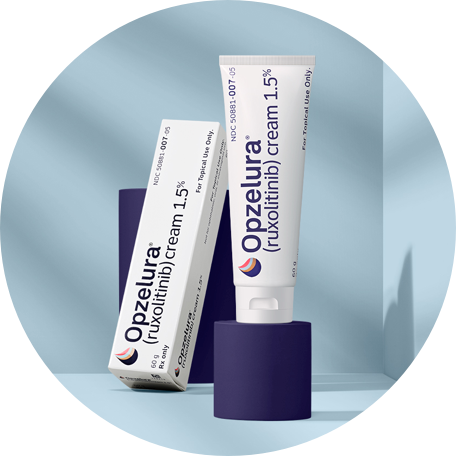
OPZELURA tube
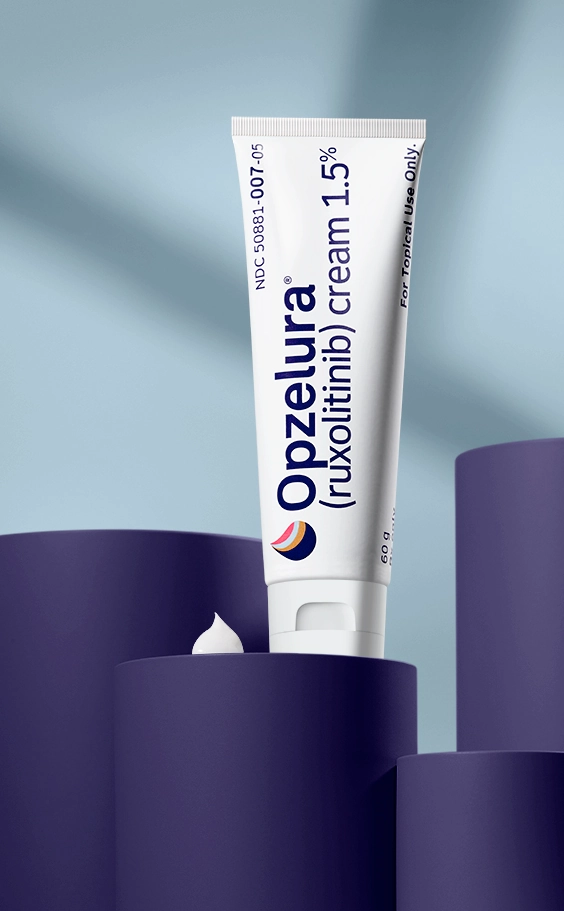
OPZELURA tube
OPZELURA tube

LONG-TERM SAFETY RESULTS

The safety of OPZELURA 
was assessed for up to 2 years.
The safety of OPZELURA was assessed for up to 2 years.

SIDE EFFECTS AT TWO YEARS WERE CONSISTENT WITH WHAT WAS OBSERVED IN PATIENTS WHO USED OPZELURA FOR SIX MONTHS AND UP TO ONE YEAR.

At six months, the most common side effects (occurring in 1% or more of patients) observed in patients who used OPZELURA were: acne at the application site, itching at the application site, common cold (nasopharyngitis), headache, urinary tract infection, redness at the application site, and fever. At two years, side effects were consistent with what was observed in those who used OPZELURA for six months and up to one year. Among these two-year patients, any adverse effects that emerged during their treatment were mild to moderate. One patient (0.3% of participants) experienced a side effect that caused them to stop using OPZELURA.

These are not all of the possible side effects of OPZELURA. Call your doctor for medical advice about side effects. You may report side effects to FDA at 1-800-FDA-1088. You may also report side effects to Incyte Corporation at 1-855-463-3463.

Please read the Full Prescribing Information, including Boxed Warning, and Medication Guide.


HOW TO HELP MAINTAIN Repigmentation

Explore our Staying on Track page to learn what OPZELURA patients should do to maintain the new pigment they’ve gained through treatment.

 
OPZELURA Copay Savings Card

COPAY SAVINGS CARD

Eligible patients can receive an 
OPZELURA copay savings card.

REIMAGINE THE DISCUSSION WITH
your healthcare provider

We're here to help as you talk with your 
healthcare provider about whether 
OPZELURA may be right for you.

IMPORTANT SAFETY INFORMATION AND INDICATION
Indication and Usage

OPZELURA is a prescription medicine used on the skin (topical) for the treatment of a type of vitiligo called nonsegmental vitiligo in adults and children 12 years of age and older.

The use of OPZELURA along with therapeutic biologics, other JAK inhibitors, or strong immunosuppressants such as azathioprine or cyclosporine is not recommended.

It is not known if OPZELURA is safe and effective in children less than 12 years of age with nonsegmental vitiligo.

Important Safety Information

OPZELURA is for use on the skin only. Do not use OPZELURA in your eyes, mouth, or vagina.

OPZELURA may cause serious side effects, including:

Serious Infections: OPZELURA contains ruxolitinib. Ruxolitinib belongs to a class of medicines called Janus kinase (JAK) inhibitors. JAK inhibitors are medicines that affect your immune system. JAK inhibitors can lower the ability of your immune system to fight infections. Some people have had serious infections while taking JAK inhibitors by mouth, including tuberculosis (TB), and infections caused by bacteria, fungi, or viruses that can spread throughout the body. Some people have been hospitalized or died from these infections. Some people have had serious infections of their lungs while taking OPZELURA. Your healthcare provider should watch you closely for signs and symptoms of TB during treatment with OPZELURA.

OPZELURA should not be used in people with an active, serious infection, including localized infections. You should not start using OPZELURA if you have any kind of infection unless your healthcare provider tells you it is okay. You may be at a higher risk of developing shingles (herpes zoster) while using OPZELURA.

Increased risk of death due to any reason (all causes): Increased risk of death has happened in people 50 years of age and older who have at least 1 heart disease (cardiovascular) risk factor and are taking a medicine in the class of medicines called JAK inhibitors by mouth.

Cancer and immune system problems: OPZELURA may increase your risk of certain cancers by changing the way your immune system works. Lymphoma and other cancers have happened in people taking a medicine in the class of medicines called JAK inhibitors by mouth. People taking JAK inhibitors by mouth have a higher risk of certain cancers including lymphoma and lung cancer, especially if they are a current or past smoker. Some people have had skin cancers while using OPZELURA. Your healthcare provider will regularly check your skin during your treatment with OPZELURA. Limit the amount of time you spend in the sunlight. Wear protective clothing when you are in the sun and use a broad-spectrum sunscreen.

Increased risk of major cardiovascular events: Increased risk of major cardiovascular events such as heart attack, stroke, or death have happened in people 50 years of age and older who have at least 1 heart disease (cardiovascular) risk factor and taking a medicine in the class of medicines called JAK inhibitors by mouth, especially in current or past smokers.

Blood clots: Blood clots in the veins of your legs (deep vein thrombosis, DVT) or lungs (pulmonary embolism, PE) can happen in some people taking OPZELURA. This may be life-threatening. Blood clots in the vein of the legs (deep vein thrombosis, DVT) and lungs (pulmonary embolism, PE) have happened more often in people who are 50 years of age and older and with at least 1 heart disease (cardiovascular) risk factor taking a medicine in the class of medicines called JAK inhibitors by mouth.

Low blood cell counts: OPZELURA may cause low platelet counts (thrombocytopenia), low red blood cell counts (anemia), low white blood cell counts (neutropenia, lymphopenia, leukopenia). Your healthcare provider may do a blood test to check your blood cell counts during your treatment with OPZELURA and may stop your treatment if signs or symptoms of low blood cell counts happen.

Cholesterol increases: Cholesterol increase has happened in people when ruxolitinib is taken by mouth. Tell your healthcare provider if you have high cholesterol or triglycerides.

Before starting OPZELURA, tell your healthcare provider if you:

  • have an infection, are being treated for one, or have had an infection that does not go away or keeps coming back
  • have diabetes, chronic lung disease, HIV, or a weak immune system
  • have TB or have been in close contact with someone with TB
  • have had shingles (herpes zoster)
  • have or have had hepatitis B or C
  • live, have lived in, or have traveled to certain parts of the country (such as the Ohio and Mississippi River valleys and the Southwest) where there is an increased chance for getting certain kinds of fungal infections. These infections may happen or become more severe if you use OPZELURA. Ask your healthcare provider if you do not know if you have lived in an area where these infections are common.
  • think you have an infection or have symptoms of an infection such as: fever, sweating, or chills, muscle aches, cough or shortness of breath, blood in your phlegm, weight loss, warm, red, or painful skin or sores on your body, diarrhea or stomach pain, burning when you urinate or urinating more often than usual, feeling very tired.
  • have ever had any type of cancer, or are a current or past smoker
  • have had a heart attack, other heart problems, or a stroke
  • have had blood clots in the veins of your legs or lungs in the past
  • have or have had low white or red blood cell counts
  • are pregnant or plan to become pregnant. It is not known if OPZELURA will harm your unborn baby. There is a pregnancy exposure registry for individuals who use OPZELURA during pregnancy. The purpose of this registry is to collect information about the health of you and your baby. If you become exposed to OPZELURA during pregnancy, you and your healthcare provider should report exposure to Incyte Corporation at 1-855-463-3463 or www.opzelura.pregnancy.incyte.com.
  • are breastfeeding or plan to breastfeed. It is not known if OPZELURA passes into your breast milk. Do not breastfeed during treatment with OPZELURA and for about 4 weeks after the last dose.

After starting OPZELURA:

  • Call your healthcare provider right away if you have any symptoms of an infection. OPZELURA can make you more likely to get infections or make worse any infections that you have.
  • Get emergency help right away if you have any symptoms of a heart attack, blood clot, or stroke while using OPZELURA, including:
  • discomfort in the center of your chest that lasts for more than a few minutes, or that goes away and comes back
  • severe tightness, pain, pressure, or heaviness in your chest, throat, neck, or jaw
  • pain or discomfort in your arms, back, neck, jaw, or stomach
  • shortness of breath with or without chest discomfort
  • breaking out in a cold sweat
  • nausea or vomiting
  • feeling lightheaded
  • weakness in one part or on one side of your body
  • slurred speech
  • swelling, pain, or tenderness in one or both legs
  • Tell your healthcare provider right away if you develop or have worsening of any symptoms of low blood cell counts, such as: unusual bleeding, bruising, tiredness, shortness of breath, or fever.

Tell your healthcare provider about all the medicines you take, including prescription and over-the-counter medicines, vitamins, and herbal supplements.

The most common side effects of OPZELURA in people treated for nonsegmental vitiligo include: acne at the application site, itching at the application site, common cold (nasopharyngitis), headache, urinary tract infection, redness at the application site, and fever.

These are not all of the possible side effects of OPZELURA. Call your doctor for medical advice about side effects. You may report side effects to FDA at 1-800-FDA-1088. You may also report side effects to Incyte Corporation at 1-855-463-3463.

Please see the Full Prescribing Information, including Boxed Warning, and Medication Guide for OPZELURA.


.